

Neo Deco Camper Interior: The Bold New Way To Style Your RV
A neo deco camper interior might be the most overlooked styling opportunity in the entire van life and RV world right now, mostly because almost nobody has connected the two yet. Neo Deco, one of trends brings back the crisp chevrons, fan arches, and chrome or brass edged geometry of classic Art Deco design, but with a lighter, more modern touch. Every example of this style applied to a camper that exists online right now belongs to a handful of ultra expensive, fully custom professional builds costing well over a hundred thousand dollars, which leaves regular camper owners with no real starting point.
This guide closes that gap. Everything below is built for an actual, everyday camper or van, using removable, lightweight, budget conscious methods rather than a full custom renovation, so you can bring this striking new aesthetic into your rig without needing a professional build team or a six figure budget.
What Neo Deco Actually Means For A Small Space
Before touching a single surface, it helps to understand what separates neo deco camper interior styling from the traditional Art Deco look most people picture. Classic Art Deco leans heavy, dark wood paneling, thick brass fixtures, deep jewel tone upholstery, all of which add weight and visual density that a small camper simply cannot support, both physically and stylistically.
Neo Deco takes the same bones, geometric repetition, metallic accents, confident symmetry, and lightens everything considerably. Think crisp black and white or cream and charcoal palettes rather than heavy jewel tones, slim brass or chrome trim rather than thick fixtures, and pattern used in small, deliberate doses rather than covering every surface. This lighter approach happens to be exactly what a camper needs, which makes neo deco camper interior styling a much more natural fit for small space living than the original Art Deco movement ever was.
Building The Color Foundation Without Paint
Most campers have laminate or vinyl wall surfaces that do not hold paint well, and permanent paint jobs hurt resale value on top of that. Rather than painting, build your neo deco camper interior around a base of white, cream, or soft gray surfaces, which most factory camper interiors already have, and layer geometric contrast on top through removable elements instead.
A single peel and stick wallpaper panel featuring a chevron or fan shaped Art Deco print, applied to one accent wall behind a bed or dinette, does the heavy lifting here. Because it is removable, it protects your resale value while still delivering the bold graphic impact this style depends on. If wallpaper feels like too big a commitment, a large geometric patterned rug or a set of chevron print throw pillows can introduce the same visual language in a far more temporary, low risk way.
Why Metallics Matter More Than Color Here

If there is one detail that makes or breaks a neo deco camper interior, it is metallic finish consistency. Traditional Art Deco mixed metals freely, but the neo deco aesthetic reads as intentional and current specifically because it commits to one metal tone throughout a space rather than mixing brass, chrome, and gold together.
Pick either warm brass or cool chrome as your metal of choice, then carry that single tone across every hardware detail you touch, cabinet handles, curtain rods, a picture frame, even a simple drawer pull. This is one of the most affordable upgrades available to camper owners, since swapping factory plastic or dull metal hardware for a matching set of brass or chrome pieces often costs very little and requires nothing more than a screwdriver, yet it transforms how put together the entire interior feels.
Introducing Pattern Without Adding Weight
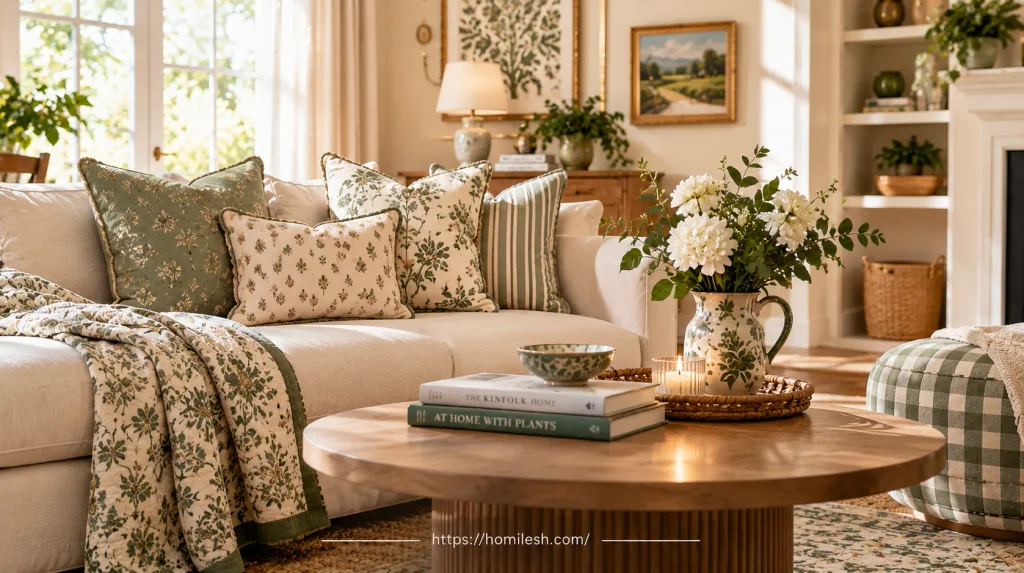
Geometric pattern is the backbone of Art Deco design, and a neo deco camper interior needs it somewhere, but full upholstery replacement is expensive and adds unnecessary weight to a vehicle with strict payload limits. Instead, introduce pattern through the lightest possible layer, a chevron print curtain panel, a fan motif cushion cover, or a small geometric patterned table runner.
I’ve noticed that campers which lean into this style most successfully tend to use exactly one bold pattern per zone, the sleeping area, the dinette, the entry, rather than repeating the same print throughout the whole space. This keeps the geometry feeling curated and intentional instead of overwhelming a small footprint, which matters even more in a camper than it would in a full sized house.
Lighting That Actually Supports The Aesthetic
Factory camper lighting almost always defaults to cool, bright white LEDs, which completely undercuts the glamorous, evening lounge feeling neo deco styling is going for. Since most camper electrical systems run on 12V, look specifically for 12V rated warm white bulbs as a direct swap for your existing fixtures, which requires no rewiring and takes only a few minutes per fixture.
For an extra layer of atmosphere, a small brass or chrome finished battery powered sconce mounted near a seating area adds the kind of sculptural lighting detail that reads as distinctly Art Deco inspired, without any electrical work at all.
Making It Work Within Your Weight Budget

Every camper and van has a payload limit, and this is where a neo deco camper interior genuinely has an advantage over the original heavy, dark wood version of the style. Because this guide focuses on wallpaper, textiles, hardware swaps, and lighting rather than furniture replacement or structural changes, the total added weight across every idea here typically stays under a few pounds, which fits comfortably within almost any camper’s payload allowance.
If you are converting a van from scratch rather than styling an existing camper, this same lightweight approach still applies, prioritize hardware, textiles and one wallpapered accent surface over heavy built in cabinetry finishes and you will get the aesthetic without compromising your build’s overall weight distribution.
Where To Start If You Are Doing This On A Weekend
If you only have a weekend and a limited budget, focus on three changes in this order. Start with the hardware swap, since it is the cheapest, fastest, and most visually consistent upgrade available. Move next to one accent textile, whether that is a curtain panel or a set of cushions, in a chevron or fan motif print. Finish with the lighting swap, replacing your existing bulbs with warm 12V options, which ties the whole look together with almost no additional cost.
Done in that order, a neo deco camper interior transformation is genuinely achievable in a single weekend, well before most people would even finish researching a full custom renovation.
Frequently Asked Questions
What is Neo Deco style?
Neo Deco is a 2026 design trend identified by Pinterest that reinterprets classic Art Deco elements, geometric patterns, chrome and brass finishes, and crisp symmetry, in a lighter, more modern way suited to contemporary spaces.
Can I achieve a neo deco camper interior without a full renovation?
Yes, a neo deco camper interior can be built almost entirely through removable, lightweight elements like peel and stick wallpaper, hardware swaps, patterned textiles, and warm toned lighting, none of which require structural changes.
Is Neo Deco style too heavy or dark for a small camper?
No, unlike traditional Art Deco, Neo Deco favors a lighter palette of white, cream, and charcoal with slim metallic accents, which makes it naturally well suited to the visual constraints of a small camper interior.
What is the most affordable way to start a neo deco camper interior?
Swapping your camper’s factory cabinet hardware for a matching set of brass or chrome pieces is the most affordable and highest impact starting point, often achievable for very little cost in under an hour.
Will a chevron or fan pattern add too much weight to my camper?
No, choosing pattern through textiles like curtains, cushion covers, or a table runner rather than furniture or wall paneling keeps the added weight minimal, typically just a few pounds across an entire interior.
Final Thoughts
A neo deco camper interior proves that a trend born from grand hotel lobbies and 1920s glamour can translate into one of the smallest living spaces imaginable, as long as it is adapted with the right priorities, light colors, consistent metallics, pattern used sparingly, and every choice weighed against actual payload limits. Start with the hardware, add one bold textile, warm up your lighting, and you will have a camper interior that feels current, intentional, and genuinely unlike anything else on the road right now.


